India’s National Parks
India, a land of diverse ecosystems, rich biodiversity, and varied landscapes, is home to a large number of national parks that preserve its natural heritage. These parks are not only vital for conserving wildlife but also serve as sanctuaries for indigenous flora and fauna. India’s national parks offer a glimpse into the country’s ecological richness, ranging from dense tropical rainforests to snow-capped mountains, from vast deserts to wetlands teeming with migratory birds. The creation of national parks in India dates back to the early 20th century, aiming to protect and conserve wildlife and their habitats. Today, there are over 100 national parks across the country, each one offering unique wildlife experiences and opportunities for ecotourism.
National parks in India play a crucial role in preserving biodiversity, protecting endangered species, and maintaining the ecological balance of the environment. They are governed under strict regulations that prevent human activities like hunting, logging, and mining, ensuring that these parks remain sanctuaries for wildlife.
Historical Overview of National Parks in India
India’s journey in establishing national parks began with the creation of Hailey National Park (now Jim Corbett National Park) in 1936, which was the first national park in India. The need for such parks arose from the rapid depletion of wildlife due to hunting, deforestation, and industrialization.
Top 10 National Parks in India
- Jim Corbett National Park
- Kaziranga National Park
- Satpura National Park
- Gir National Park
- Bandhavgarh National Park
- Ranthambore National Park
- Panna National Park
- Dudhwa National Park
- Pench National Park
- Kanha National Park
Important facts about the National Parks in India
| Total Number of National Parks | 106 |
| Total Area Covered | 44,402.95 sq. km |
| State with Maximum National Parks | Madhya Pradesh (11) |
| First National Park | Jim Corbett National Park |
| Largest National Park | Hemis National Park |
| Smallest National Park | South Button National Park |
| Latest National Park | Kuno National Park |
Biodiversity and Conservation in India’s National Parks
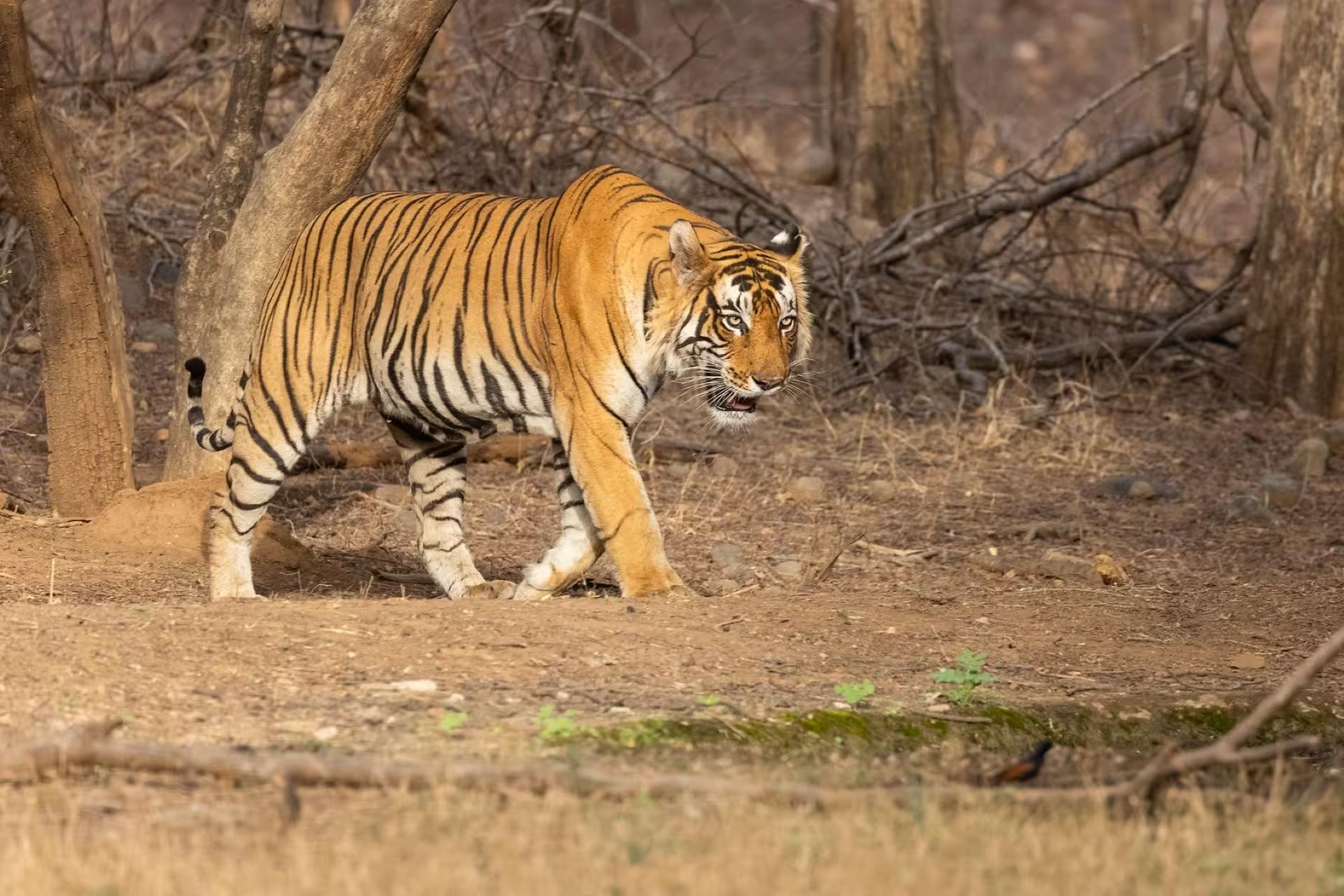
India’s national parks, with over 100 in total, are rich in biodiversity, protecting species like Bengal tigers, one-horned rhinoceroses, and Asiatic lions. These parks, ranging from the Himalayan foothills to coastal wetlands, offer unique wildlife experiences and adventure activities such as safaris and trekking.
Most Visited National parks in India
Jim Corbett National Park
Jim Corbett National Park, located in Uttarakhand, holds the distinction of being the oldest national park in India. It was also the first to be established as a tiger reserve under Project Tiger.
Kaziranga National Park
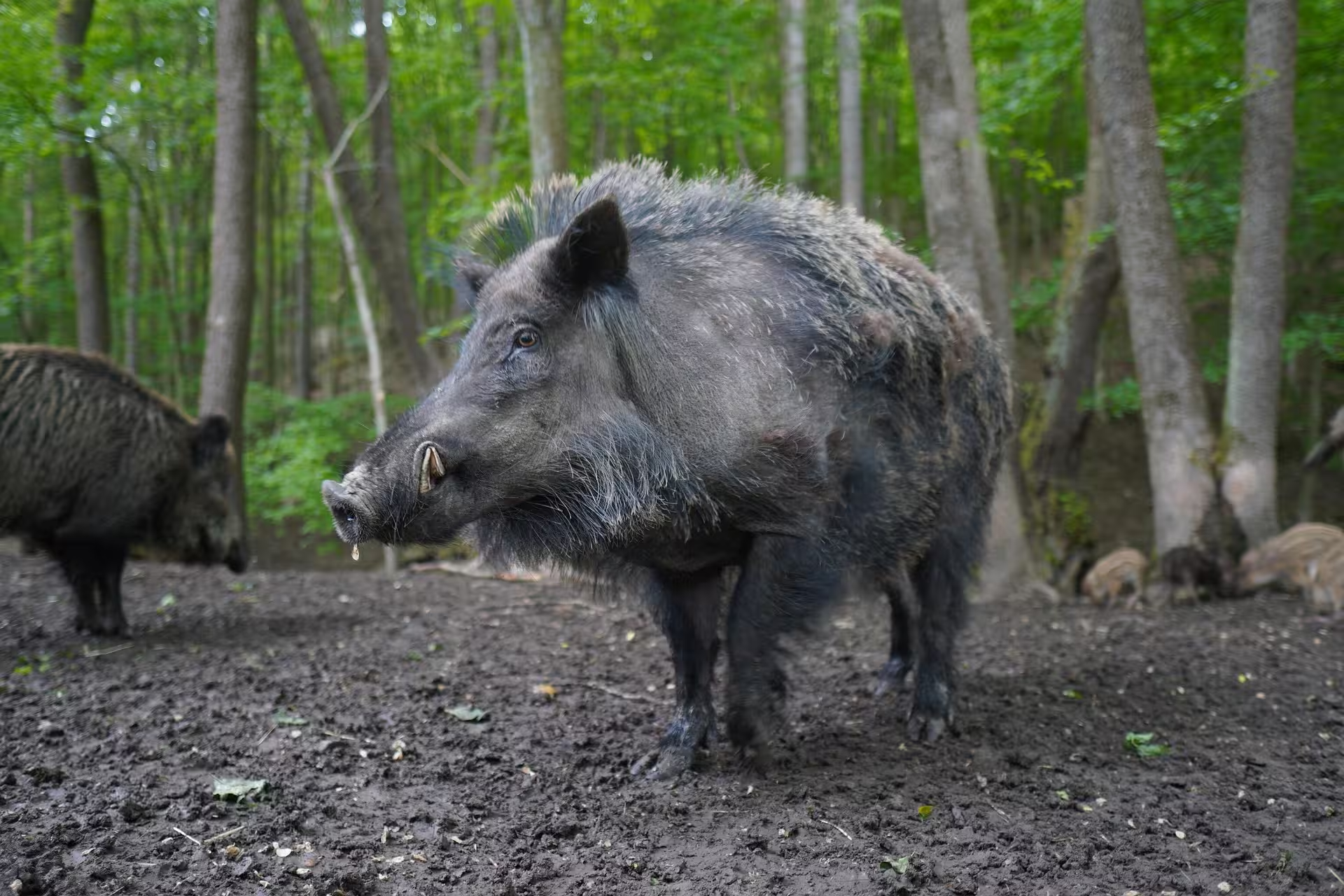
Kaziranga National Park, located in Assam, is a UNESCO World Heritage Site renowned for its population of the one-horned rhinoceros. It is home to more than two-thirds of the world’s total population of this species, making it a vital conservation site.
Satpura National Park
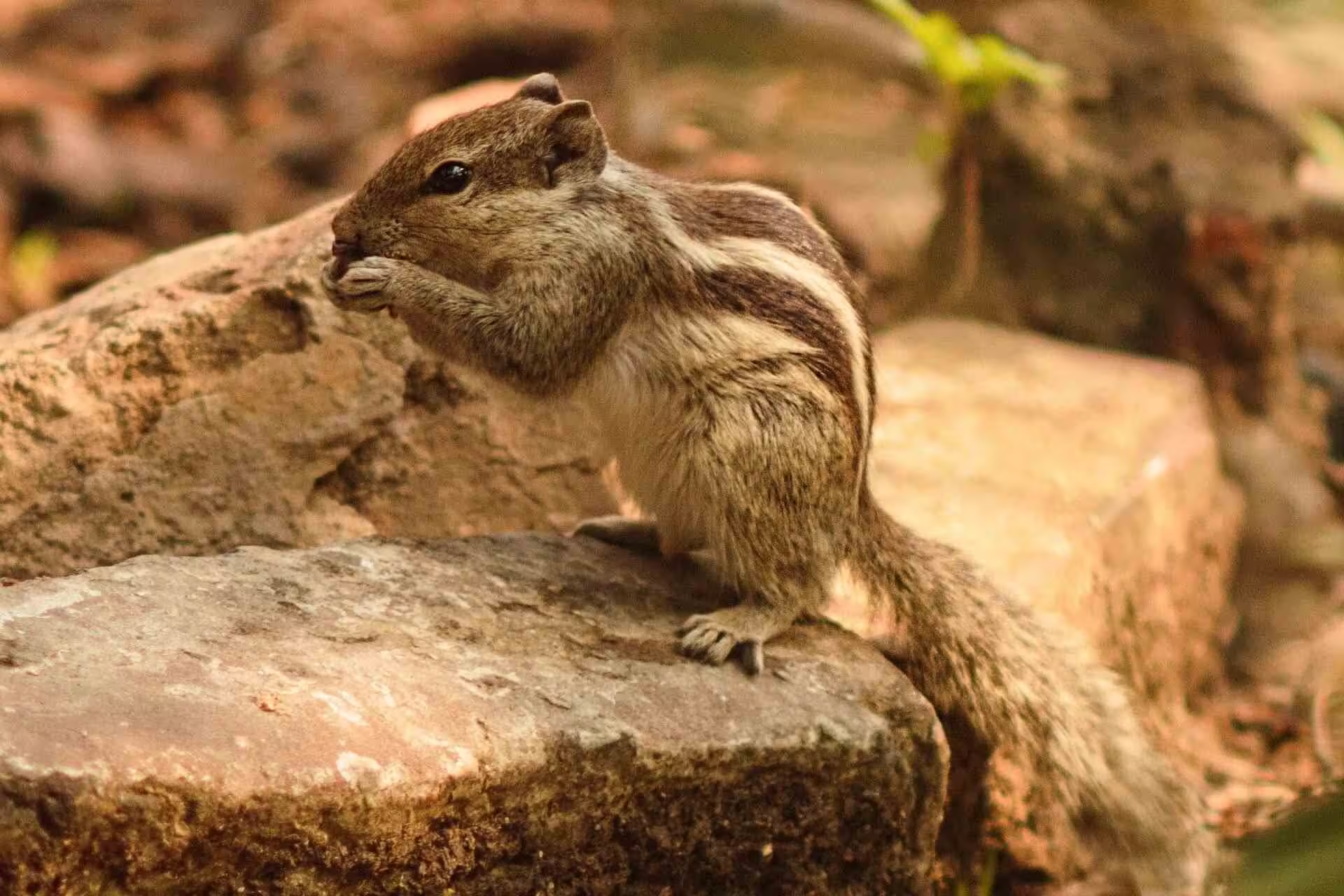
Satpura National Park is in Madhya Pradesh. It forms part of the larger Satpura Tiger Reserve along with Bori and Pachmarhi sanctuaries. The landscape has hills, deep valleys, sandstone cliffs, and dense forests. The park is known for its quiet setting and low visitor traffic, which makes wildlife sightings more relaxed.
Gir National Park
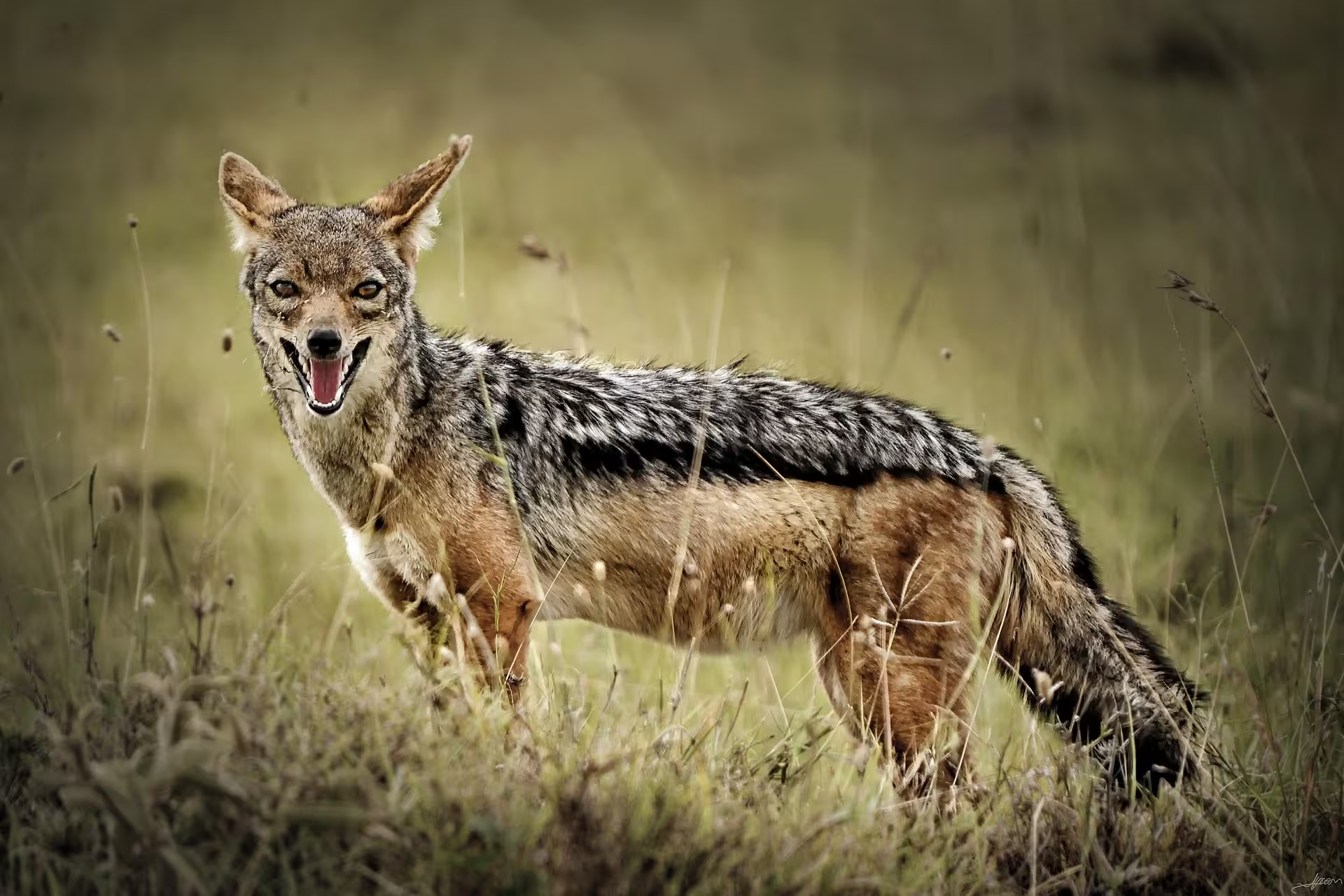
Gir National Park, located in Gujarat, is the last refuge of the Asiatic lion. Once on the brink of extinction, the Asiatic lion population has flourished in this park, making it one of the most important wildlife conservation areas in India.
Bandhavgarh National Park
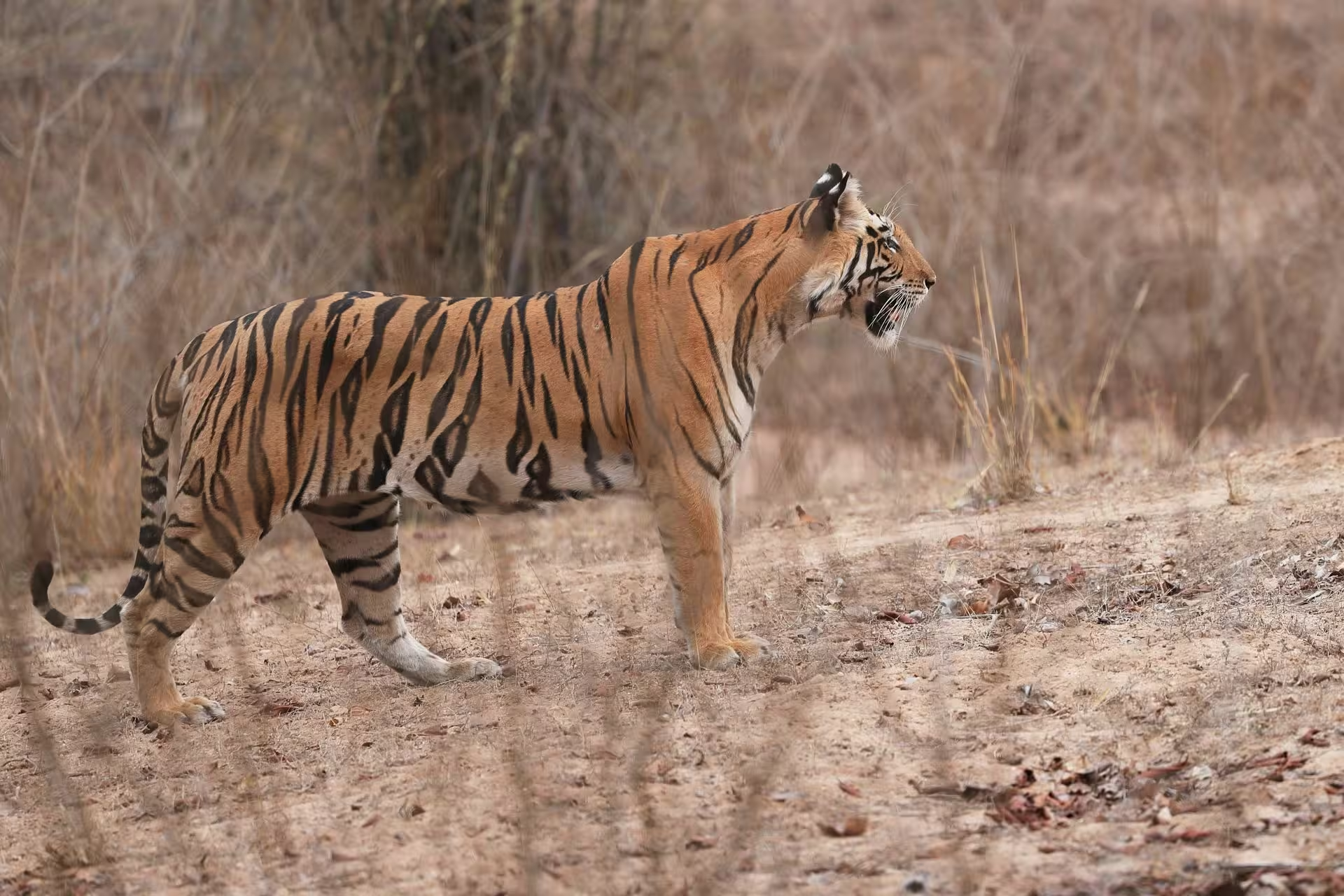
Bandhavgarh National Park, located in Madhya Pradesh, is renowned for its high density of Bengal tigers, making it one of the best parks in India for tiger sightings. The park’s name is derived from an ancient fort situated on a hill within the park,
Ranthambore National Park
Ranthambore National Park, located in Rajasthan, is one of the most famous wildlife destinations in India, primarily due to its population of Bengal tigers. The park is known for its easy tiger sightings, making it a favorite among wildlife photographers.
Panna National Park
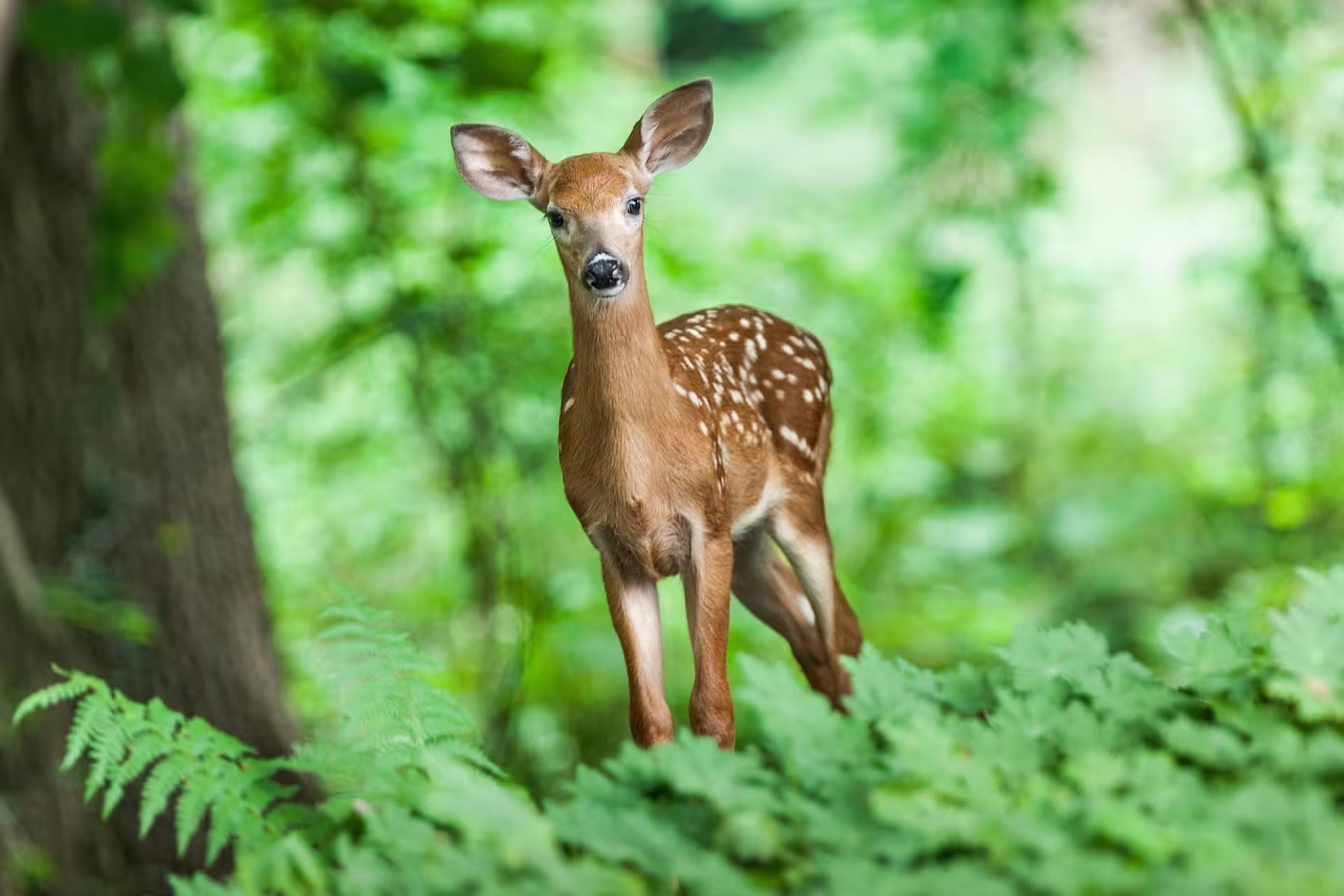
Panna National Park is in Madhya Pradesh. It lies along the Ken River and has dry forests, plateaus, and deep gorges. The park is known for its successful tiger reintroduction program, which restored its big-cat population after earlier losses.
Dudhwa National Park
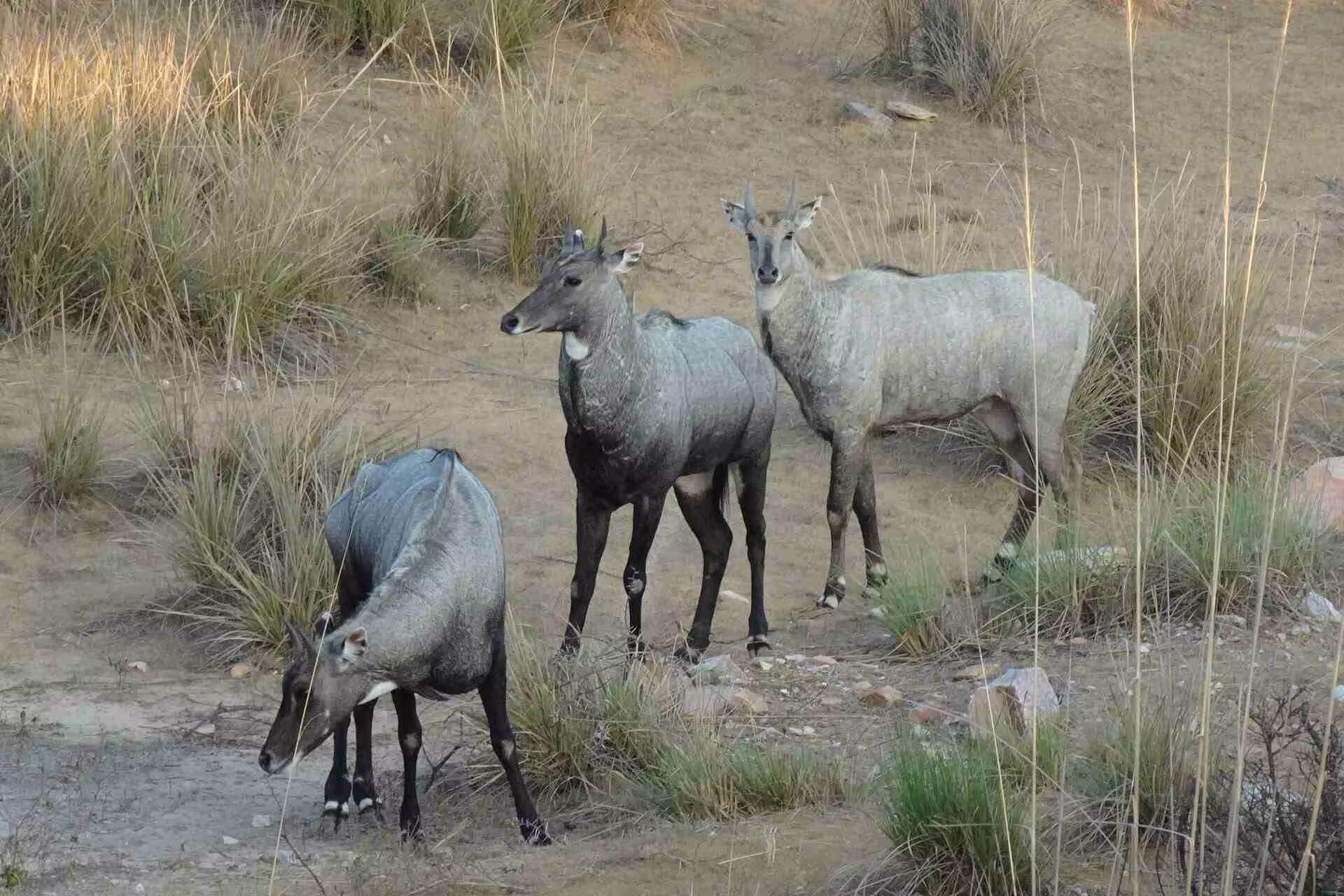
Dudhwa National Park is in Uttar Pradesh near the India Nepal border. It is part of the larger Dudhwa Tiger Reserve, which also includes Kishanpur and Katarniaghat wildlife areas. The park has dense sal forests, tall grasslands, and wetlands along the Sharda River.
Pench National Park
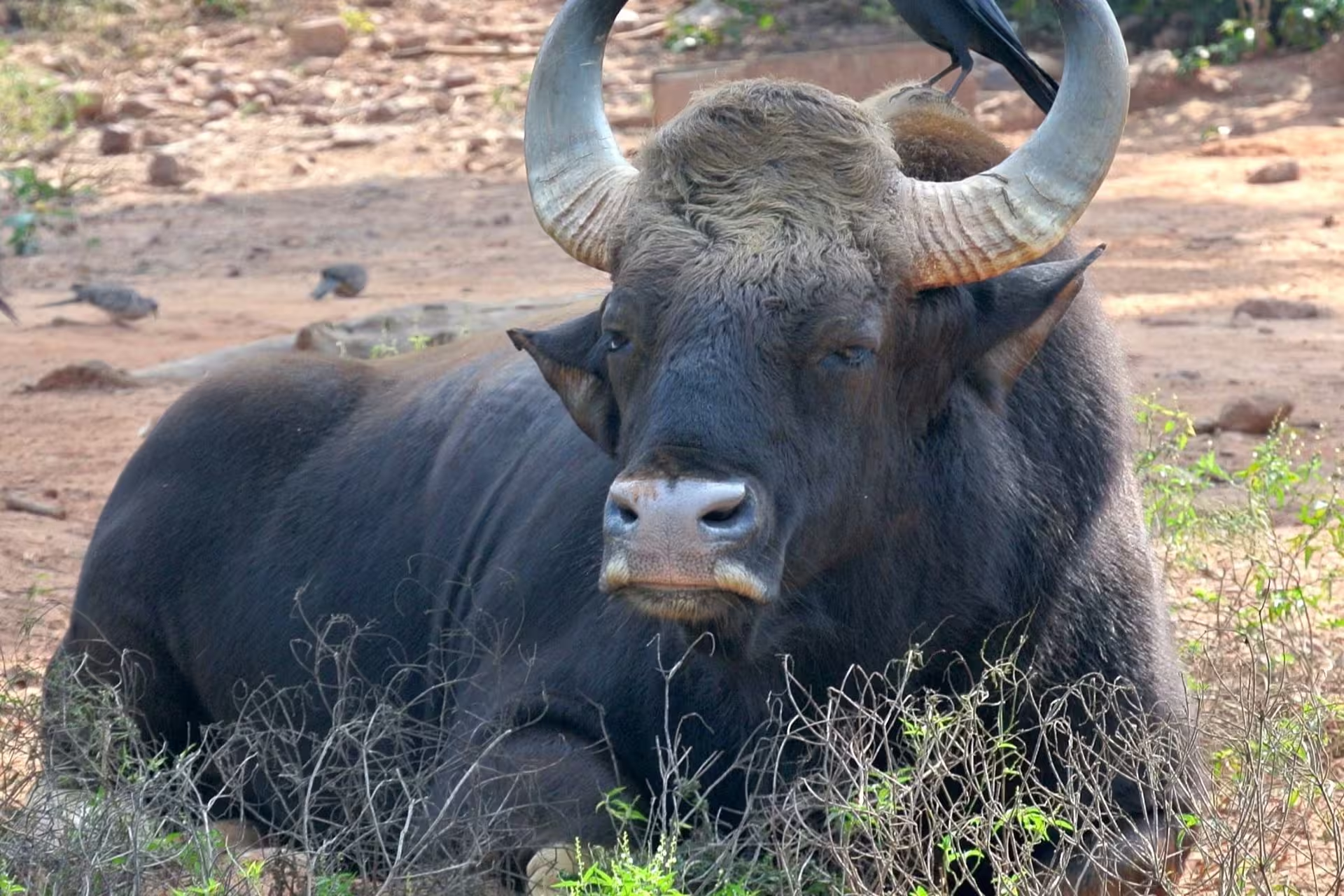
Pench National Park lies on the border of Madhya Pradesh and Maharashtra. It is part of the Pench Tiger Reserve and is known for its teak forests, open meadows, and the Pench River that runs through the area.
Kanha National Park
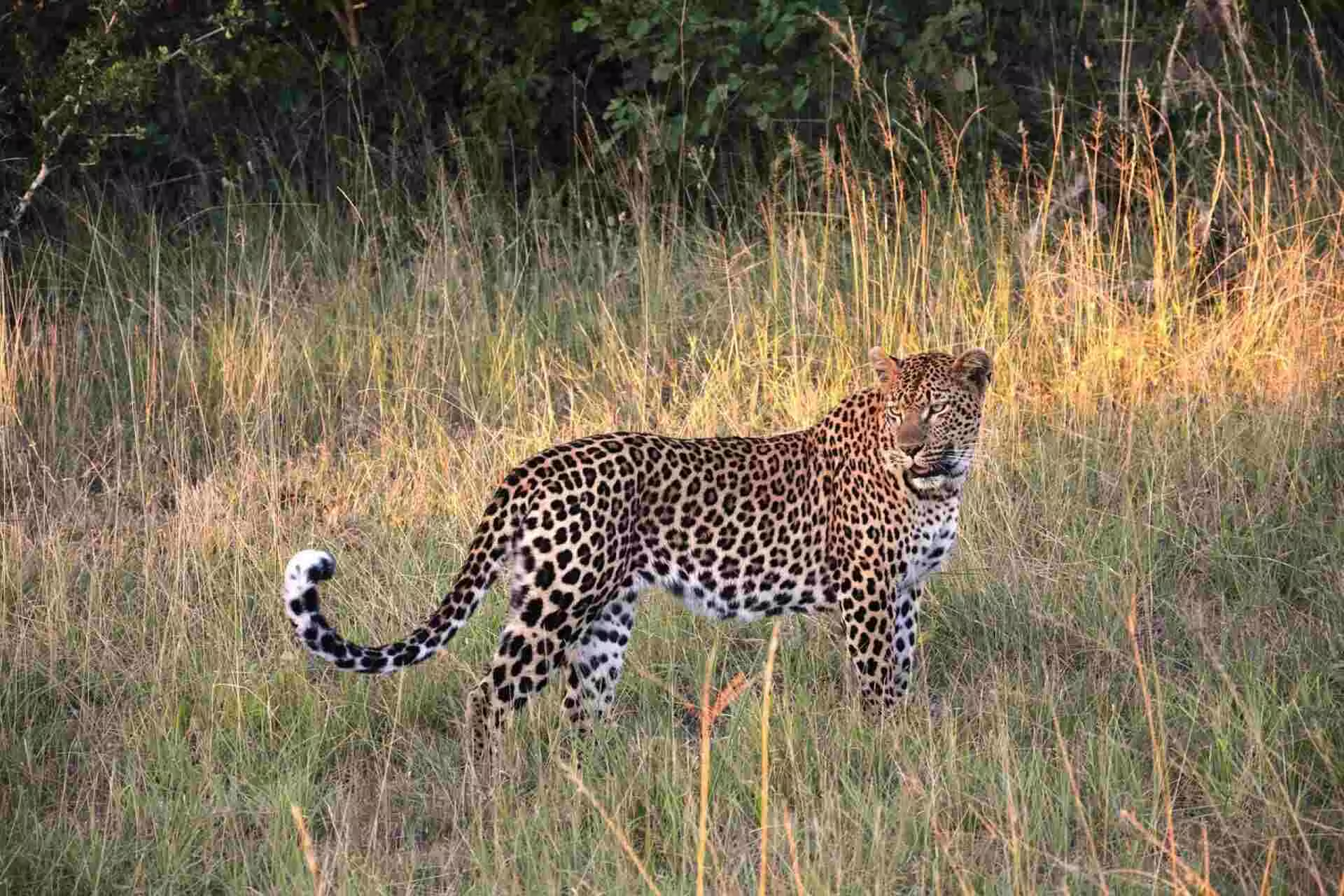
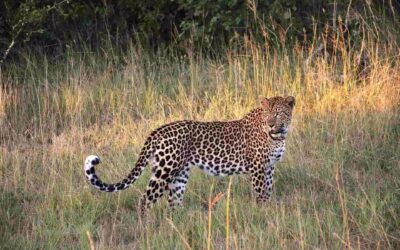
Kanha National Park, located in Madhya Pradesh, is famous for being the inspiration behind Rudyard Kipling’s “The Jungle Book.” The park is home to a large population of Bengal tigers, as well as leopards, sloth bears, wild dogs, and a variety of antelope species.
Latest National Parks India

Dudhwa National Park
About the Park Located in the Terai region of Uttar Pradesh, Dudhwa National Park forms the heart...
Kanha National Park
About the Park Located in the Mandla and Balaghat districts of Madhya Pradesh, Kanha National Park...